
There are lots of opportunities coming up for our Logan Elm students to explore their options, prepare for life after high school, and start planning for their future!
Here’s what’s coming up:
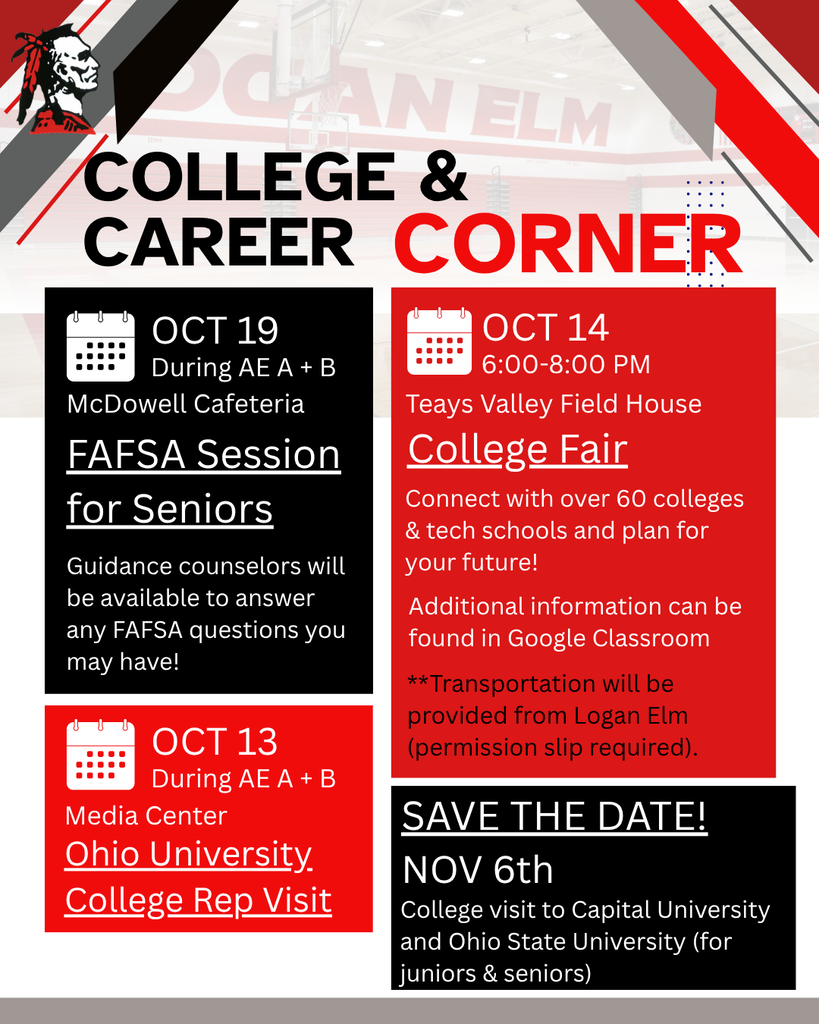
Oct. 13: Ohio University College Rep Visit
Oct. 14: Pickaway WORKS College & Career Fair
Oct. 19: FAFSA Session for Seniors
Nov. 6: College Visit to Capital University & Ohio State University
Check out the graphic for more details!
Here’s what’s coming up:
Oct. 13: Ohio University College Rep Visit
Oct. 14: Pickaway WORKS College & Career Fair
Oct. 19: FAFSA Session for Seniors
Nov. 6: College Visit to Capital University & Ohio State University
Check out the graphic for more details!
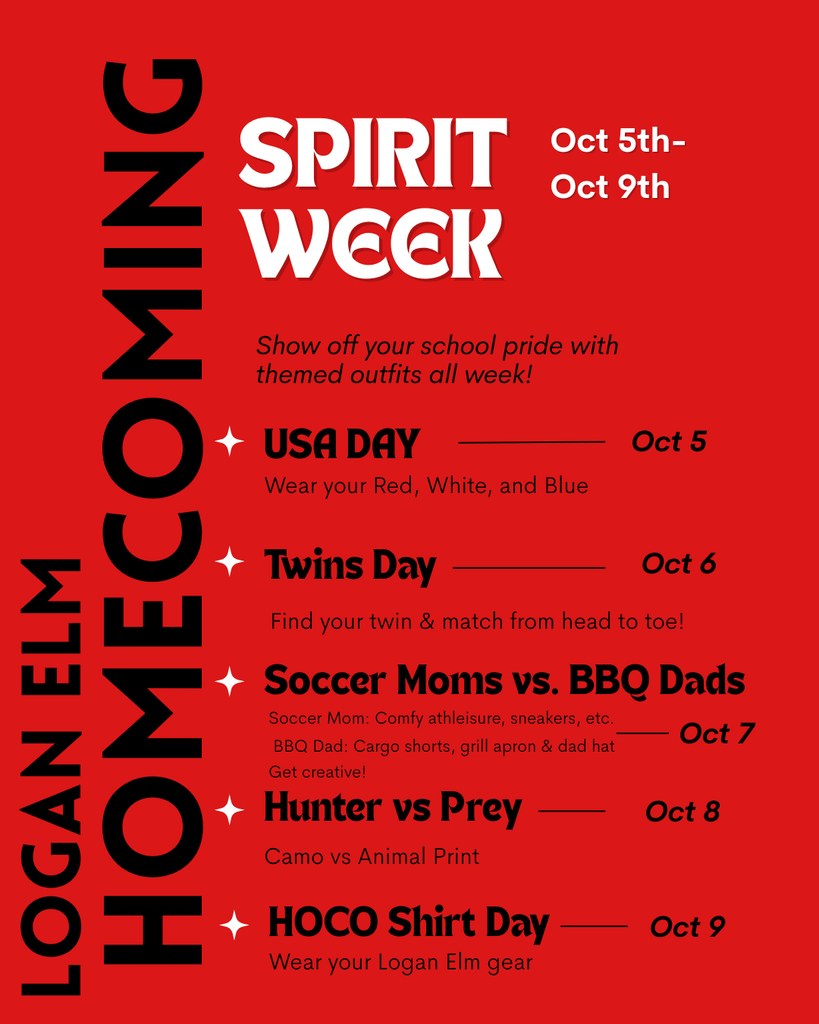
Our Homecoming Dance is only 11 days away, and you know what that means... Homecoming Spirit Week starts October 5! Check out the themes and start planning your fits, we can’t wait to see everyone’s spirit!
LEHS- The first National Honor Society (NHS) meeting is tomorrow morning at 7am in the MS/HS library!
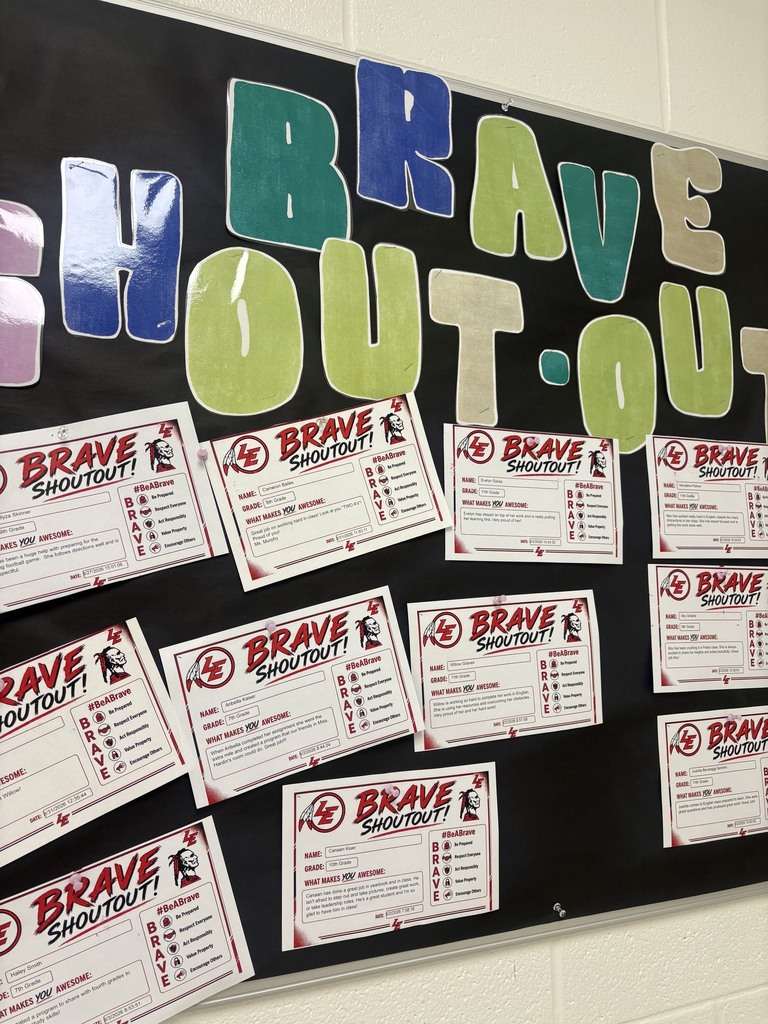
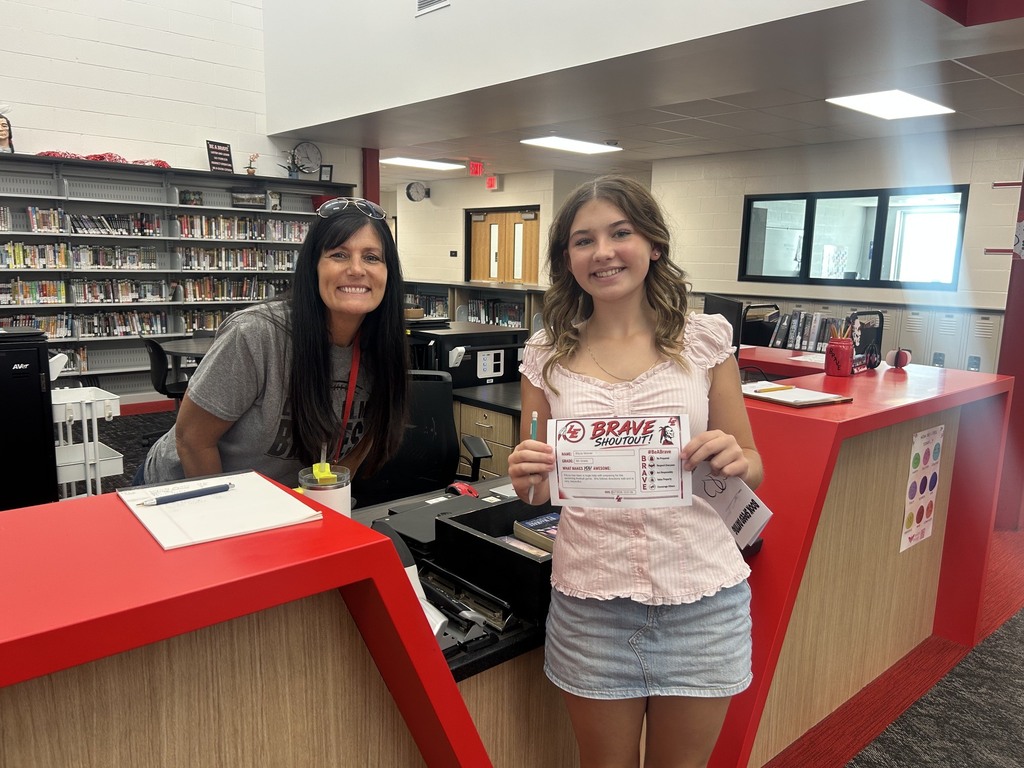
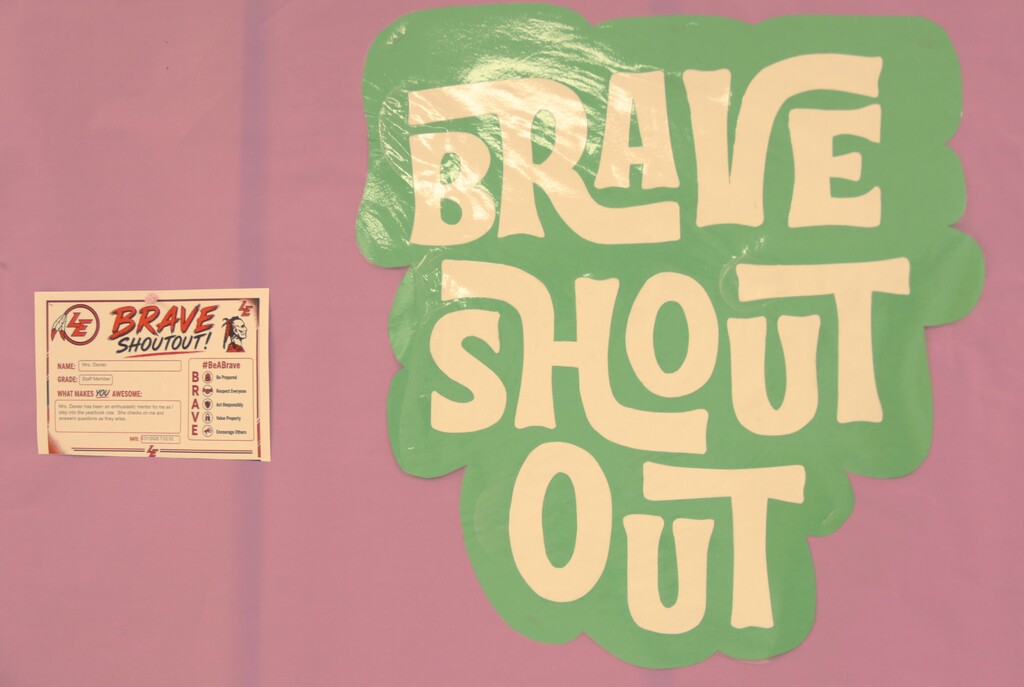
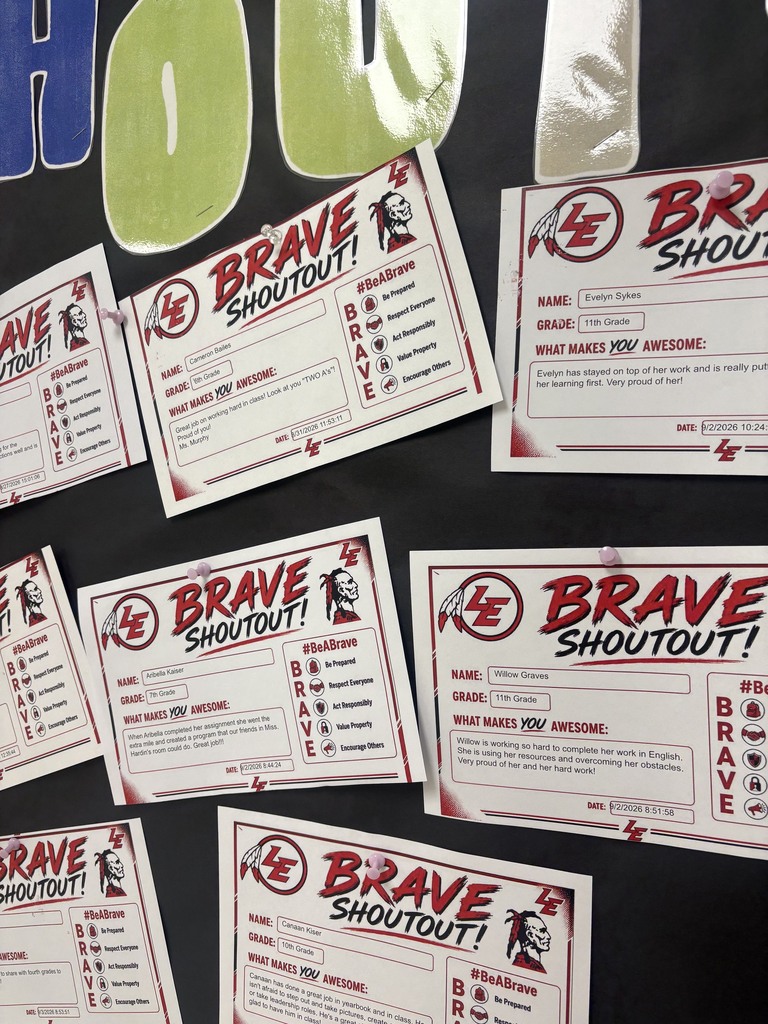
This year, our middle and high school students and staff have a new way to recognize the people around them who are making a difference: Brave Shout Outs!
Students are being recognized for anything from working hard and overcoming challenges to going the extra mile, showing kindness, and helping others. Staff members are also being recognized for being positive, encouraging students, and helping other members of our team here at LE.
These shout outs are displayed in the hallway and are a great reminder that the little things we do every day do not go unnoticed. We’re happy to celebrate the people who make Logan Elm a great place to be!
Students are being recognized for anything from working hard and overcoming challenges to going the extra mile, showing kindness, and helping others. Staff members are also being recognized for being positive, encouraging students, and helping other members of our team here at LE.
These shout outs are displayed in the hallway and are a great reminder that the little things we do every day do not go unnoticed. We’re happy to celebrate the people who make Logan Elm a great place to be!

Don't Forget! MS/HS Picture Day is tomorrow. Friday, September 4, 2026.
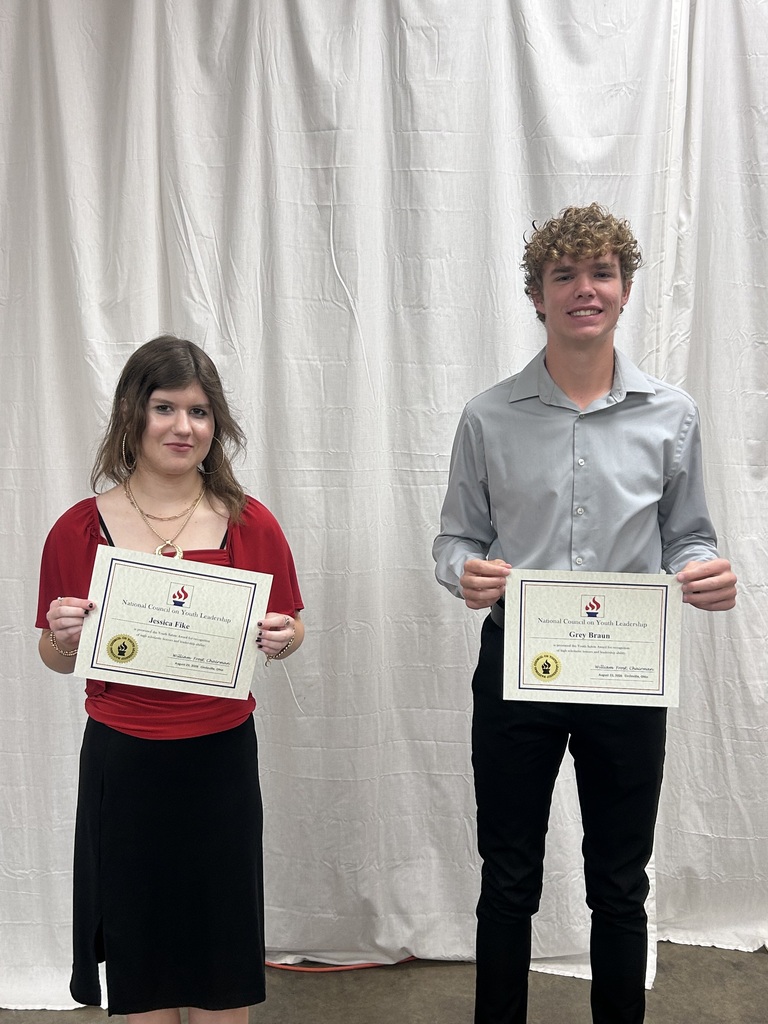
Congratulations to Jessica Fike and Grey Braun, Logan Elm's Youth Salute Leaders. They were both recently recognized at the Pickaway County Council on Youth Leadership (PCCYL) Banquet. Special congratulations to Grey for being seleted as Logan Elm's Top Salute Leader. He now has the opportunity to attend the national Town Meeting on Tomorrow (TMOT) leadership conference held in St. Louis , Missouri.
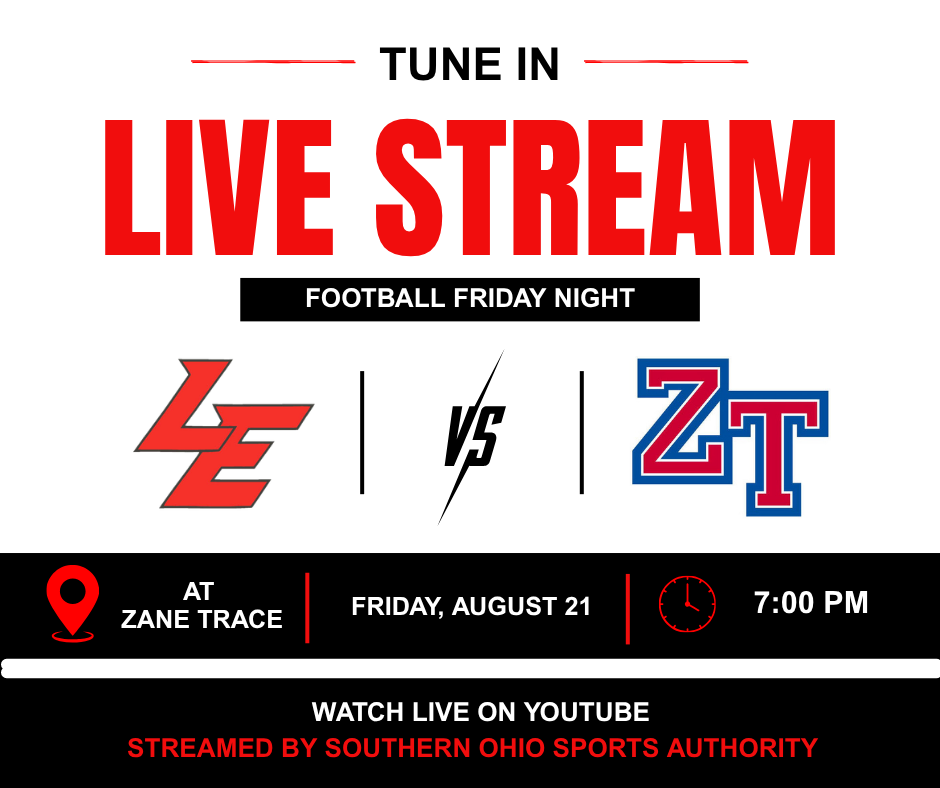
Our first Football Friday Night vs. Zane Trace will be live streamed tomorrow evening! Click the link below to watch-
https://www.youtube.com/watch?v=vTuqgsAUMzU
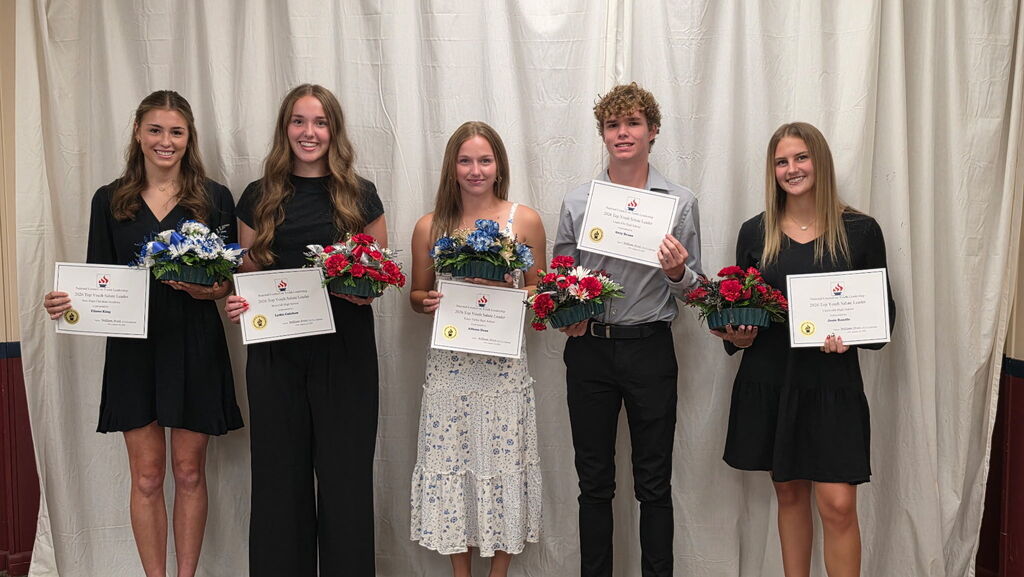
2026 Graduates:
If you ordered a yearbook, you may pick it up in the high school office starting Tuesday, August 18 from 8-3.
If you have questions, email Ashli.dexter@loganelm.org
If you ordered a yearbook, you may pick it up in the high school office starting Tuesday, August 18 from 8-3.
If you have questions, email Ashli.dexter@loganelm.org
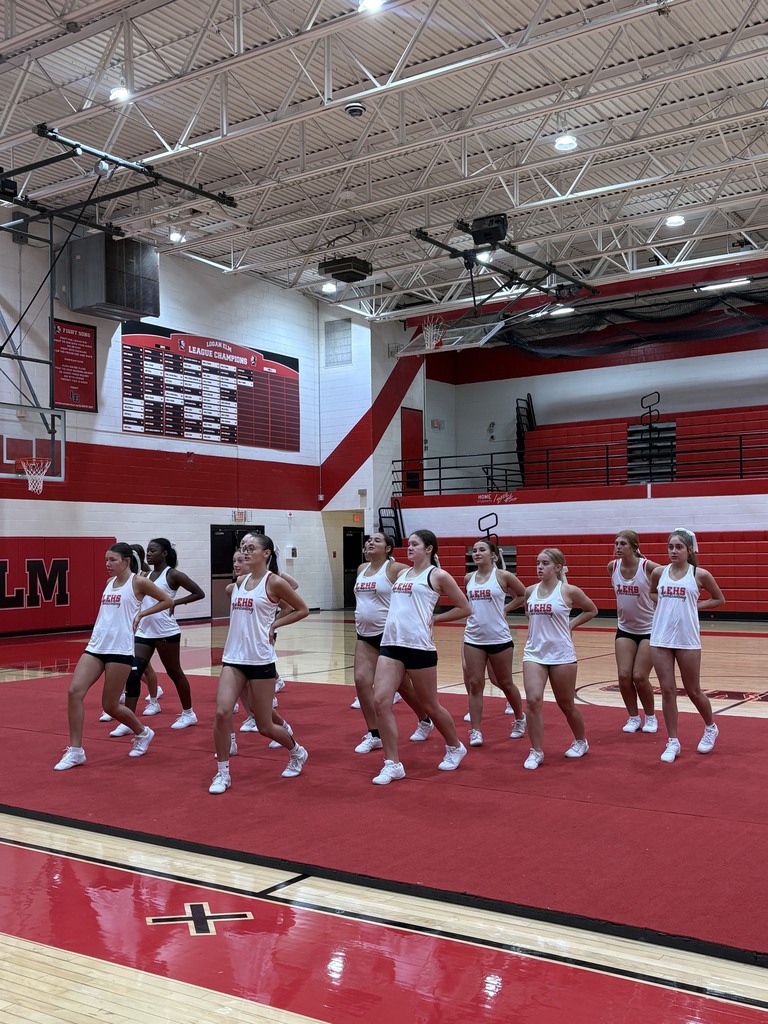
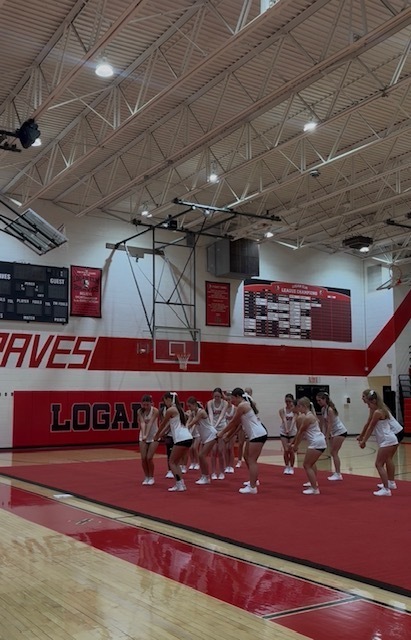
Our Logan Elm Cheerleaders have been working hard and getting ready for football season and Friday Night Football! We’re excited to see them back on the sidelines, bringing the energy and cheering on our football program all season long.
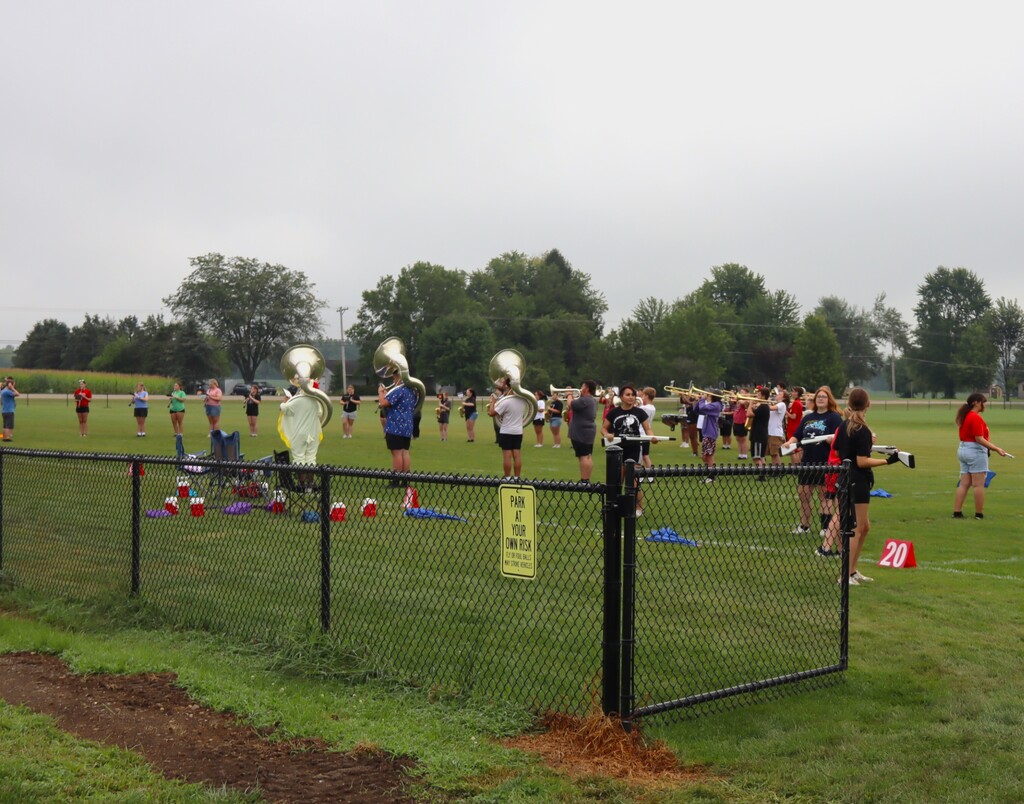
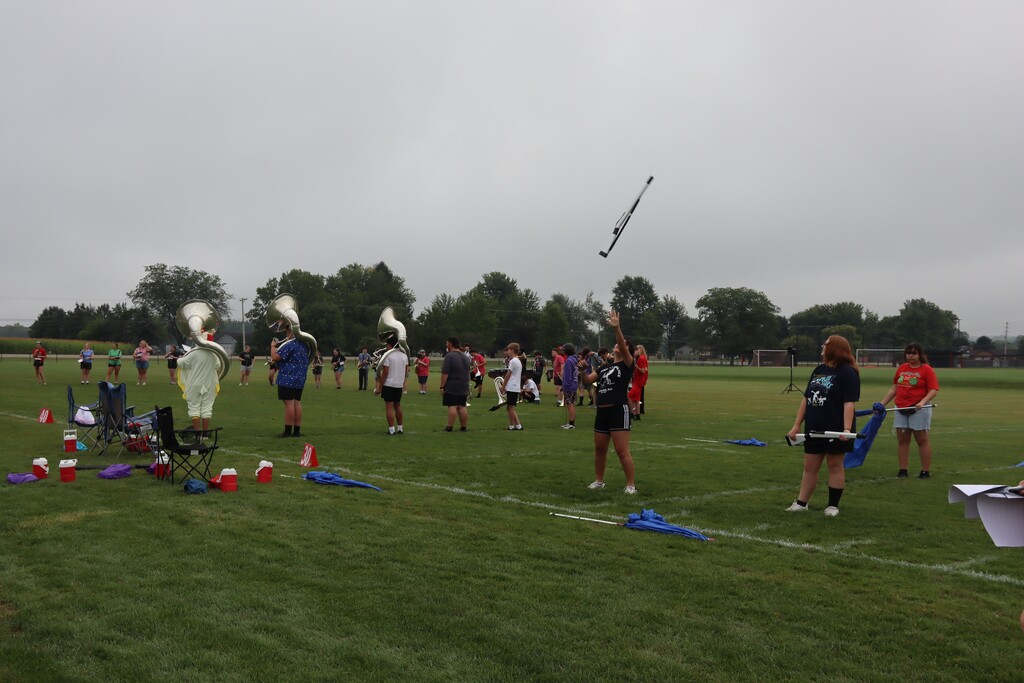
The Logan Elm High School Band of Pride has been hard at work this week at camp!
From learning new music to preparing for the season ahead, our students have been putting in the work while also making the most of time with their friends. We can't wait to see the Band of Pride take the field this fall!
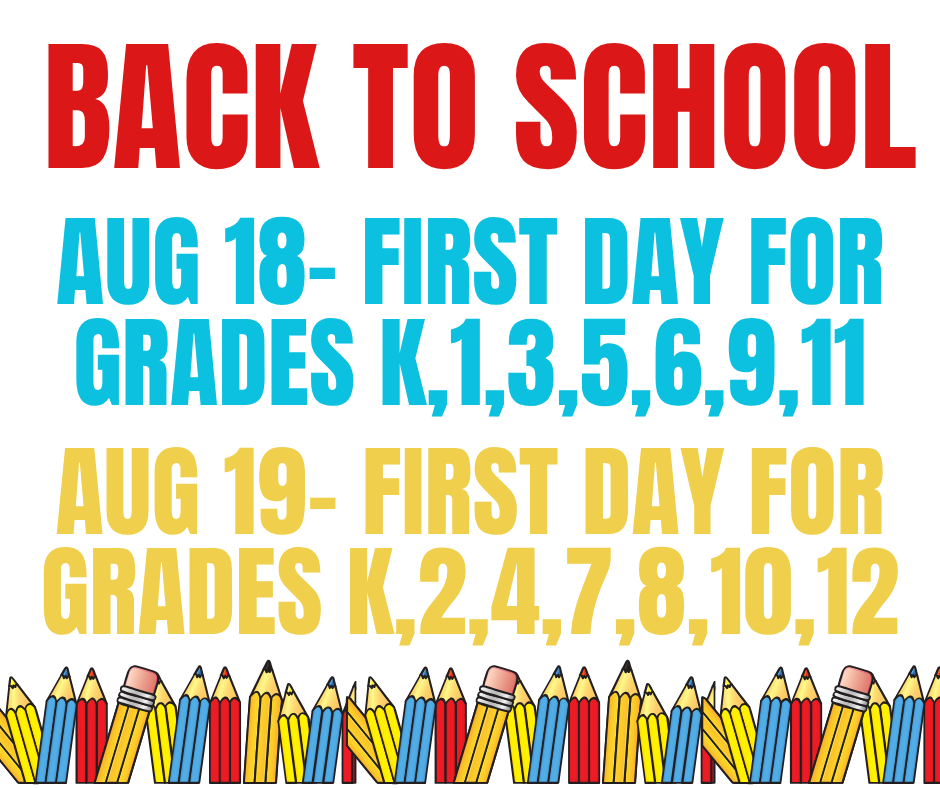
We're less than three weeks away from the first day of school, and we can't wait to welcome our students back! A new school year brings new opportunities for growth, learning, discovery, and lasting memories. We look forward to another incredible year together as Brave Nation!
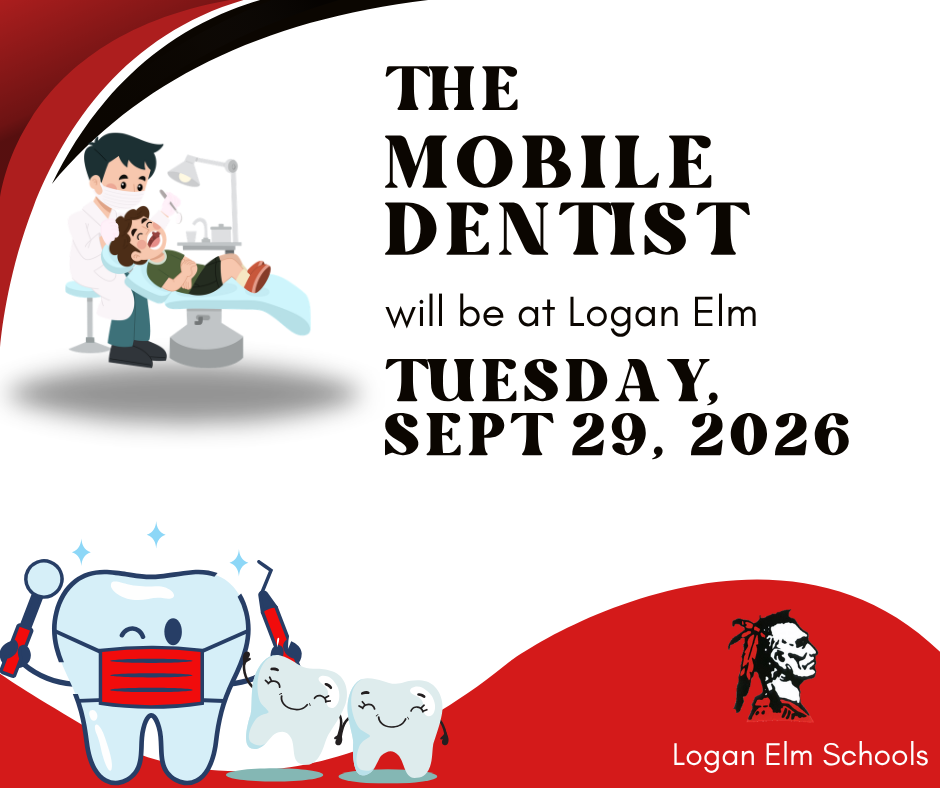
The dentist is coming to our school on Tuesday, September 29th! The School Smiles on-site dental program provides on-site dental care at our school for ALL students that sign up to participate. The dental team will set up inside our school, they accept Medicaid, private insurance, offer self-pay rates and grants through their foundation. Registration is now open online at: www.schoolsmiles.com/student-signup with over 100 languages to choose from when completing the online form. As a reminder, School Smiles requires a new registration form be filled out each school year.
Please contact Jennifer Murphy with any questions at jennifer.murphy@loganelm.org
Please contact Jennifer Murphy with any questions at jennifer.murphy@loganelm.org
Be on the look out. August 3rd will be a day filled with lots of information!
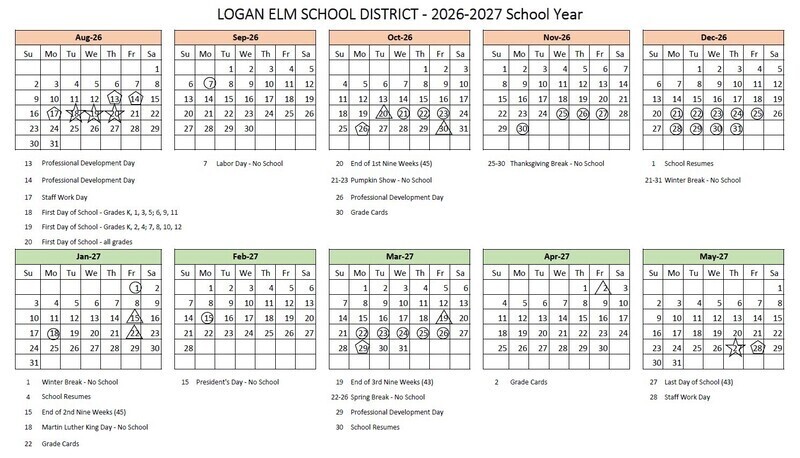
Plan for the 2026-2027 school year with the calendar below!

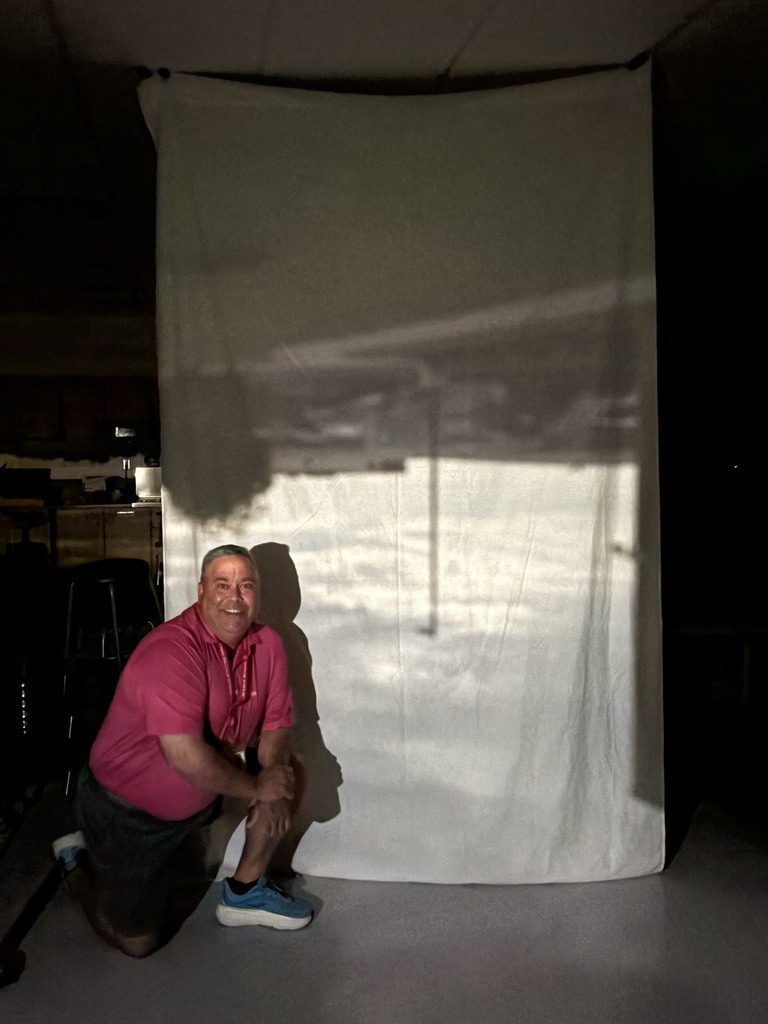
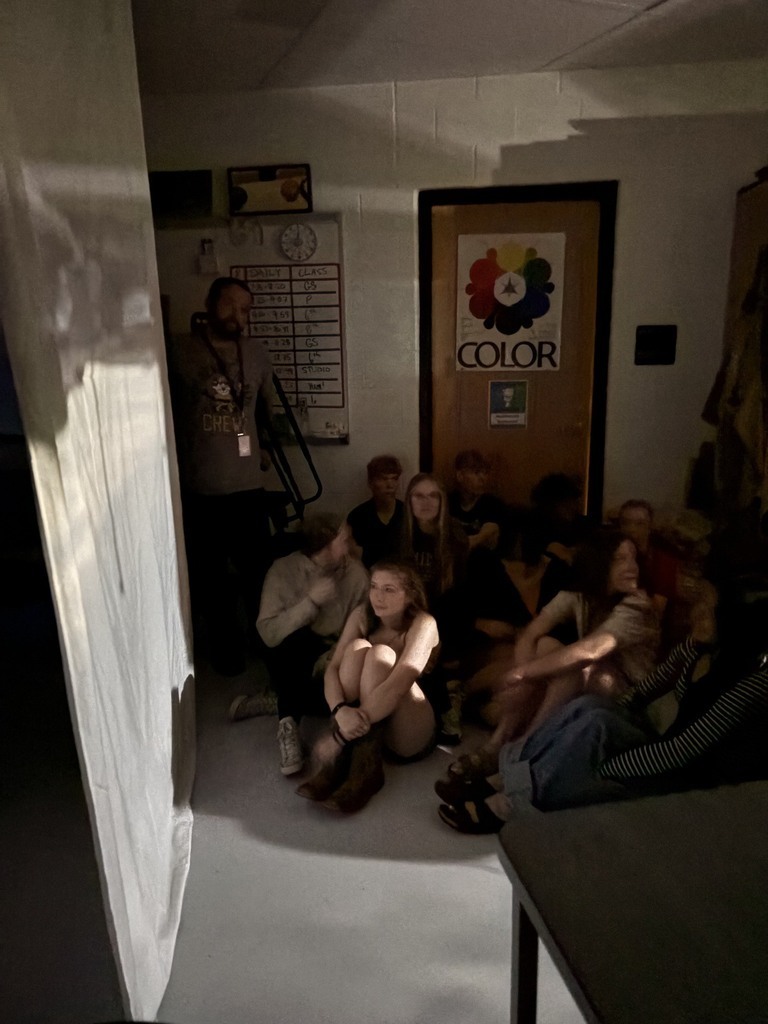
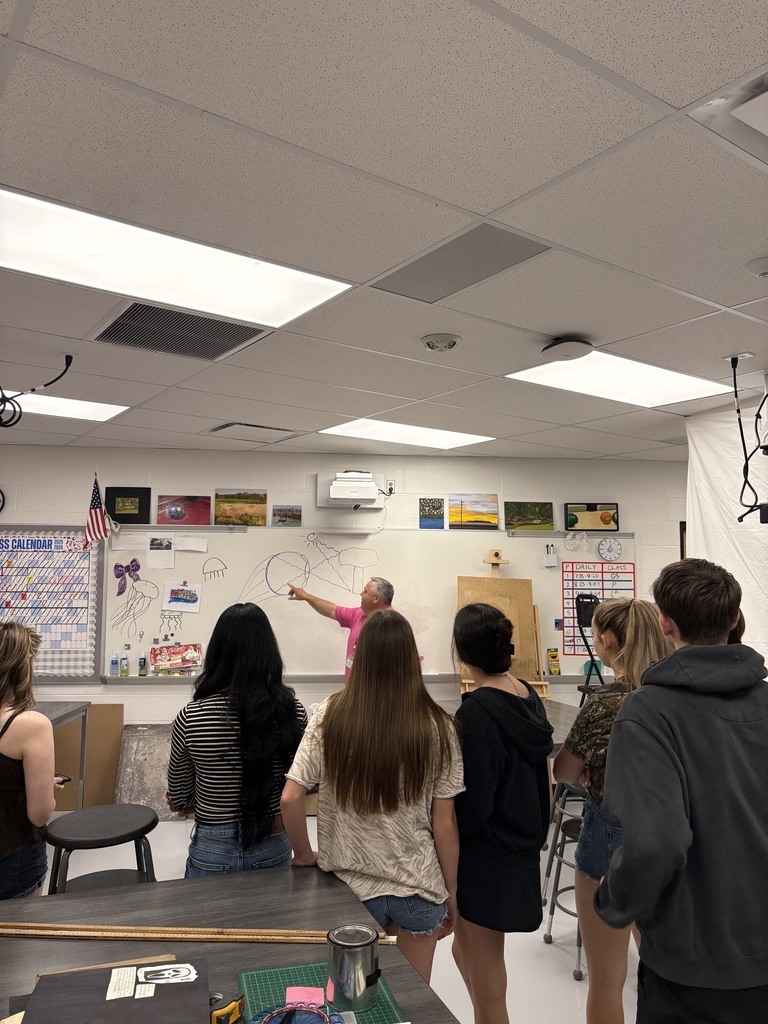
Students in Mr. Griffith’s class recently got to experience a real-life “Camera Obscura” after a conversation about pinhole cameras sparked the idea to transform a classroom into one!
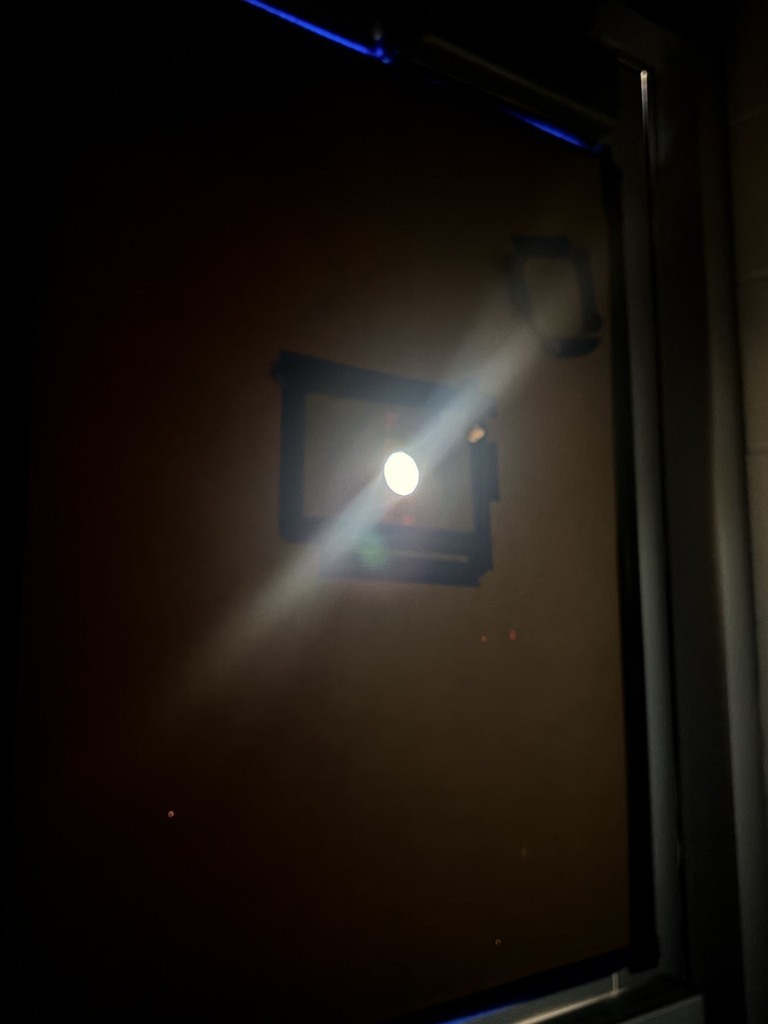
To create the effect, Mr. Griffith's room was completely darkened using cardboard and tape to block out windows and light sources. A sheet was then hung from the ceiling to act as the projection surface. After calculating the correct aperture size based on the distance from the doorway to the sheet, a small opening was cut into a piece of cardboard.
When the aperture was opened, sunlight reflecting off objects outside traveled through the opening and projected an image onto the sheet inside the dark room. Students were amazed to see the outdoor scene appear upside down and reversed, even watching people move past them on the other side of the door in real time!
The art activity also helped students connect the experiment to science concepts about the human eye. Just like the camera obscura, the eye uses the pupil as an aperture and the retina as the surface where images are projected. The brain then processes that information so we see the world right side up.
Such a fun and engaging hands-on learning experience!
To create the effect, Mr. Griffith's room was completely darkened using cardboard and tape to block out windows and light sources. A sheet was then hung from the ceiling to act as the projection surface. After calculating the correct aperture size based on the distance from the doorway to the sheet, a small opening was cut into a piece of cardboard.
When the aperture was opened, sunlight reflecting off objects outside traveled through the opening and projected an image onto the sheet inside the dark room. Students were amazed to see the outdoor scene appear upside down and reversed, even watching people move past them on the other side of the door in real time!
The art activity also helped students connect the experiment to science concepts about the human eye. Just like the camera obscura, the eye uses the pupil as an aperture and the retina as the surface where images are projected. The brain then processes that information so we see the world right side up.
Such a fun and engaging hands-on learning experience!
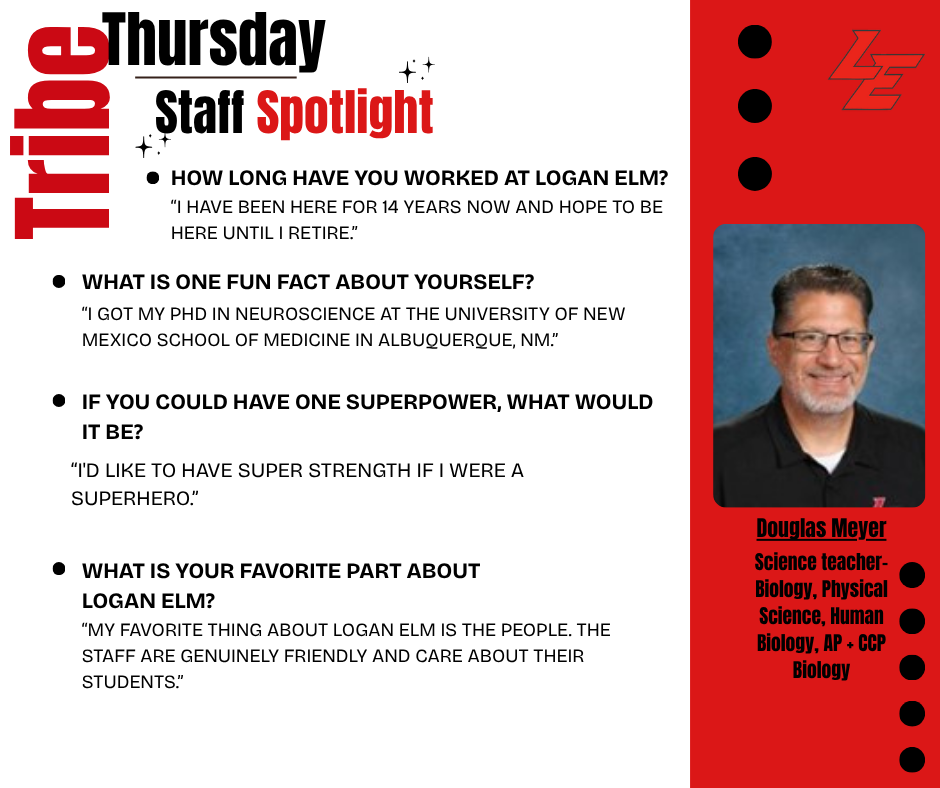
This week, we are recognizing Mr. Douglas Meyer, a teacher at Logan Elm High School!